
Butterfly Sandal Orders: Fix the Size-Run Matrix
What should a butterfly sandal size-run order show? Use the exact supplier style and size codes, place the buyer’s requested pair quantity on each applicable row, and obtain confirmation of the offered versions and allocation. Link the accepted matrix to the quotation and packing references. A catalogue size range is not a standard order ratio or proof that every listed size is currently available.
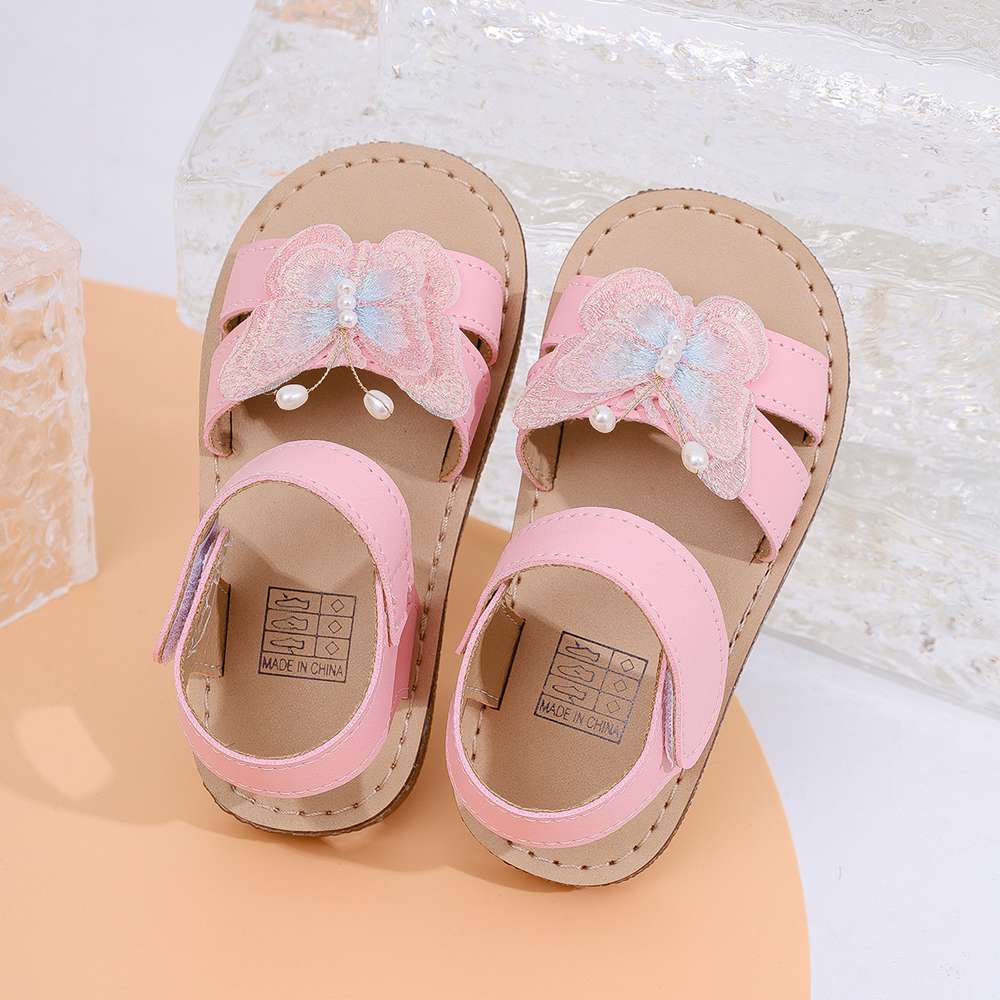
Official product identity reference. Confirm the supplier size codes and pair quantities for the offered version; this photograph is not a fit recommendation.
Separate a size range from an accepted assortment
HL lists Pink Butterfly Style sandals and presents a supplier size range for that product. The range identifies codes to clarify during an enquiry. It does not by itself state which codes are offered for a particular order, how many pairs must be bought in each code or what a standard assortment contains.
A distributor can begin with its own requested allocation, then ask the supplier to confirm the available order configuration. Keep proposed quantities distinguishable from the supplier’s accepted quantities. This prevents a draft planning sheet from being treated as a confirmed production or supply instruction.
Identify the butterfly style specifically. Do not borrow the size-run acceptance, colour selection or packing assumptions of another bow or heart sandal merely because the catalogue ranges look similar. The offered item and confirmed supplier code should remain visible on every order row.
Buying field
Requested supplier response
Style reference
Exact Pink Butterfly Style product and supplier version.
Supplier size code
Code exactly as confirmed, with any code-system explanation kept separately.
Requested pairs
Buyer proposal for each selected row, without an invented standard ratio.
Accepted allocation
Supplier confirmation or clearly identified proposed change.
Packing reference
How accepted rows relate to the agreed inner and outer packing documents.
Revision and sign-off
Matrix version, quotation linkage and the parties confirming the allocation.
Keep supplier codes distinct from fit interpretation
Use the supplier’s confirmed codes as order identifiers. If the buyer also needs an explanation of a code system or an insole chart, request that information as a separate reference. A quantity-allocation sheet should not silently translate codes into another retail size system.
The catalogue includes an insole-length chart and size advice, but this guide does not repeat a size-up recommendation or establish fit for a wearer. The purchasing decision here is which supplier-coded pairs are ordered. Product sizing and suitability questions need their own confirmed scope.
If a sample carries a label or code, ask how it maps to the quotation row. Record any discrepancy before using that sample as the order reference. Keep an unresolved code question visible instead of assigning a conversion from the photograph or from another style’s sample.
Official catalogue pair reference. A photographed pair does not determine the order size run or current availability.
Confirm quantities without inventing supplier conditions
Put the buyer’s proposed pair quantity against each selected code and ask the supplier to respond explicitly. If the supplier proposes a different allocation or a commercial condition, identify that response as a proposal until the buyer agrees. No per-size minimum or compulsory assortment is established here.
Keep totals connected to their underlying rows. An overall pair total alone cannot show whether the intended mix was accepted. Where the enquiry contains several variants, make the style or variant association clear rather than combining unrelated products under a single unlabelled size column.
Record excluded or unconfirmed rows in a way that cannot be mistaken for accepted supply. A blank cell, a zero proposal and a pending supplier answer can mean different things in an order conversation. Agree the meaning used in the matrix and carry that meaning into the confirmed version.
Map the accepted matrix to packing information
Ask the supplier how the accepted allocation will be identified in its packing documents. The buyer may need to distinguish a supplier-coded pair, an inner pack and an outer carton. Request the actual proposal instead of calculating a carton quantity from a catalogue photograph or another sandal model.
If rows are combined within a pack, ask for a clear way to identify the contents. If they are kept separate, record the supplier’s references for that arrangement. The matrix and packing list should be reconcilable without assuming that the product size code is also a packaging dimension.
Retain any confirmed packing configuration alongside the quotation. This article supplies no carton count, gross weight or shipping-cost figure. Those commercial and packing details should come from the supplier’s actual response for the accepted order configuration.
Official alternate pair view. Link each confirmed size and quantity to the quoted butterfly style rather than another sandal model.
Control changes to the accepted size run
Give the matrix a clear version reference and identify the quotation or order it supports. Record the accepted rows and any remaining questions. A sample image can identify the butterfly design, while the matrix records the quantity decision; one should not be mistaken for the other.
When either party proposes a change, identify the affected codes and quantities before accepting a revised total. Preserve the earlier version as history so that purchasing and receiving teams can tell which allocation is current. Do not silently substitute another style or unconfirmed code to preserve a total pair count.
For handover, provide the current matrix and the supplier’s matching packing references. Receiving staff need to know how the accepted rows are identified and which differences should be raised. This record organises an order; it does not establish product fit, availability beyond the confirmed offer or a delivery guarantee.
Buyer FAQ
Does the listed size range define a compulsory order mix?
No. Request the supplier’s actual offer and obtain agreement on the buyer’s requested pairs for each selected code.
Can supplier codes be converted automatically to retail sizes?
No conversion is made here. Ask for the applicable code-system or sizing reference separately and keep it linked to the exact style.
Does a photographed pair identify an accepted quantity?
No. The photograph identifies the product appearance. The accepted order matrix records codes, pair quantities and confirmed variants.
Can carton counts be copied from another sandal?
Request the supplier’s packing proposal for this accepted allocation rather than transferring another product’s configuration.
What should purchasing retain?
Keep the confirmed style/code/quantity matrix, quotation reference, packing linkage, revision record and stated open questions together.
Use the actual Pink Butterfly Style reference and send HL the proposed size-run matrix. See the footwear blog for related buying topics.
Keep the offered style and supplier codes exact.
Obtain confirmation of each proposed pair allocation.
Link the accepted matrix to the packing and order version.
wholesale kids’ sandalsB2B supplier sample record